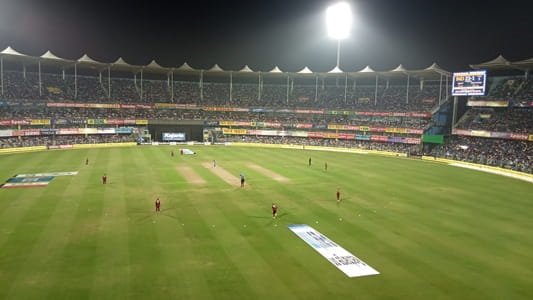
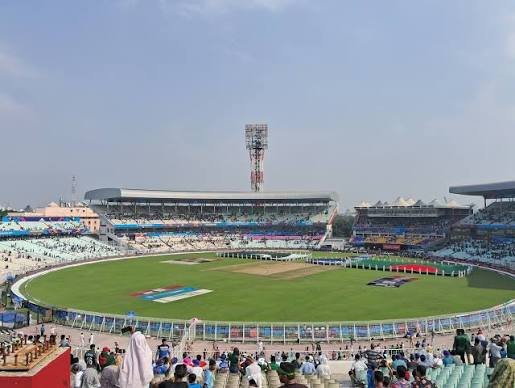
Green Park Stadium Kanpur hosted India’s 500th ever Test match, a milestone few grounds anywhere can claim, and it’s held that kind of significance since 1945. Sitting along the banks of the Ganga in Kanpur’s Civil Lines area, this Uttar Pradesh Cricket Association venue is home to the country’s only Students Gallery, the world’s largest manually operated scoreboard, and a nickname — the “Billiards Table” — that says everything about how flat and true its batting surface has always played.

| Detail | Information |
| Former name | Modi Stadium |
| Location | Civil Lines, Kanpur, Uttar Pradesh (near the Ganga) |
| Established | 1945 |
| Owner | Uttar Pradesh Government |
| Operator | Uttar Pradesh Cricket Association (UPCA) |
| Seating capacity | 32,000-45,000 (sources vary) |
| Ends | Media End, River End |
| Home team | Uttar Pradesh cricket team |
| Unique feature | India’s only Students Gallery |
| Notable milestone | Hosted India’s 500th Test match |
Finding Green Park Within Kanpur
The stadium sits in Kanpur’s Civil Lines area, in the city’s northeast, with the Ganga flowing directly behind the ground — a genuinely scenic backdrop rarely found at Indian cricket venues built purely for functional purposes. That riverside setting has become inseparable from Green Park’s identity over its eight decades of operation.
Getting there is straightforward given the stadium’s central-city positioning:
- Kanpur Central railway station sits roughly 3.5 km away, making the venue easily reachable for fans arriving by train.
- Phool Bagh bus stop is just 1 km from the ground, offering convenient local transit access.
- Kanpur Airport lies about 12 km out, while the Kanpur Interstate Bus Station is roughly 5 km away, reachable by a 15-minute taxi ride.
- Local autos, rickshaws, and buses all serve the Civil Lines area regularly, keeping the stadium accessible without requiring private transport.
Untangling Green Park’s Capacity Numbers
Ask different sources about Green Park’s capacity and you’ll get answers ranging from 32,000 to 45,000, with figures like 33,000 and 39,255 also appearing across various references. Most official and tourism-focused sources converge on 32,000 as the standard figure, while some cricket-specific platforms cite considerably higher numbers, possibly reflecting different points in the stadium’s renovation history.
A few things worth understanding about its scale and standing:
- Wikipedia’s official listing, alongside the Kanpur district government’s own tourism page, both cite 32,000 as the current capacity — likely the most reliable reference point.
- The stadium hosted India’s landmark 500th Test match, a genuinely rare milestone that cements Green Park’s place in the country’s cricketing history regardless of exact seating figures.
- Despite being one of India’s older Test venues, the ground has continued hosting international fixtures well into the modern era, including a Test as recently as September-October 2024 against Bangladesh.
What Green Park Offers Today
Despite its 1945 origins, Green Park has kept pace with modern cricket infrastructure demands through consistent upgrades over the decades.
- Floodlights supporting day-night matches across all formats
- An electronic scoreboard alongside digital screens and high-definition broadcast cameras
- The Students Gallery, a genuinely unique feature not found at any other Indian cricket ground
- The world’s largest manually operated scoreboard, a distinctive nod to the stadium’s traditional character
- A newly constructed three-storeyed pavilion housing spacious dressing rooms and dining facilities for both competing teams
- General, premium, and VIP seating tiers, alongside food courts and dedicated fan zones
- Free public entry during non-match hours, open daily from 9:00 AM to 6:00 PM for casual visitors
The Woman Behind the Stadium’s Name
Green Park’s naming carries a genuinely charming piece of colonial-era history. The ground is named after Madam Green, a British lady known for horse riding in the area during the 1940s, before the stadium existed in its current form. That original recreational use of the land gave way to what’s now one of India’s most storied Test venues, though the name — and the informal nickname “Woolmer’s Turf,” honouring cricketer and coach Bob Woolmer, who was born in the hospital opposite the ground — has stuck ever since.
A Batting Paradise With a Complicated Reputation
Green Park’s pitch has built a genuinely dual reputation over the decades. Its flat, true surface, which earned the “Billiards Table” nickname, offers limited bounce and pace, historically producing high-scoring, often drawn Test matches. That same flatness has also drawn criticism — commentators have long noted the pitch doesn’t encourage the kind of dynamic contest between bat and ball that makes for compelling Test cricket, with several matches here ending in dull draws over the years. More recent characterisations describe the surface as spin-friendly as matches progress, giving bowlers some late-innings assistance even on an otherwise batting-dominant pitch.
More Than Just Cricket
Green Park’s role in Kanpur extends genuinely beyond match days. The stadium regularly hosts cultural festivals including Holi, Diwali, and Dussehra celebrations, alongside music concerts and public exhibitions, drawing thousands of visitors annually independent of any cricket fixture. Its guest list over the decades reads like a who’s who of Indian public life — visitors have included Amitabh Bachchan, Sachin Tendulkar, Narendra Modi, and Yogi Adityanath, reflecting the ground’s standing as both a sporting and civic landmark in Uttar Pradesh’s largest city.
FAQs
Q1. Why does Green Park Stadium’s capacity figure vary so widely across sources?
Reported figures range from 32,000 to 45,000, with most official and tourism sources settling on 32,000, likely reflecting different renovation phases or reporting standards over the stadium’s long history.
Q2. What makes Green Park’s Students Gallery unique?
It’s the only stadium in India featuring a dedicated Students Gallery, offering young cricket fans and students affordable access to watch matches at this historic venue.
Q3. Is the pitch at Green Park Stadium good for batting or bowling?
It’s traditionally batting-friendly, earning the nickname “Billiards Table” for its flat surface, though it does offer some assistance to spinners as matches progress into later days.
Q4. How do I reach Green Park Stadium from Kanpur Central railway station?
The stadium is approximately 3.5 km from Kanpur Central, easily accessible via local autos, rickshaws, or a short taxi ride through the city’s Civil Lines area.