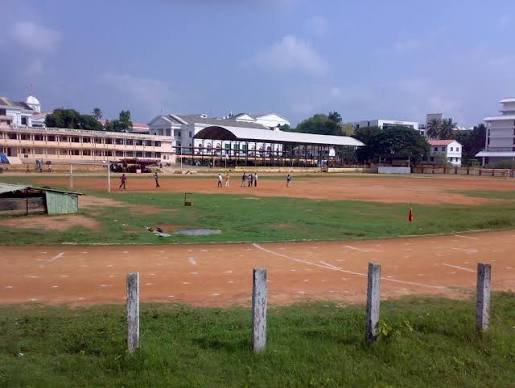
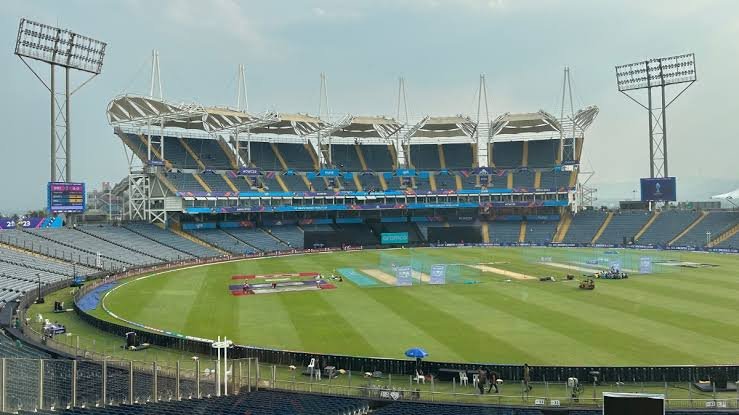
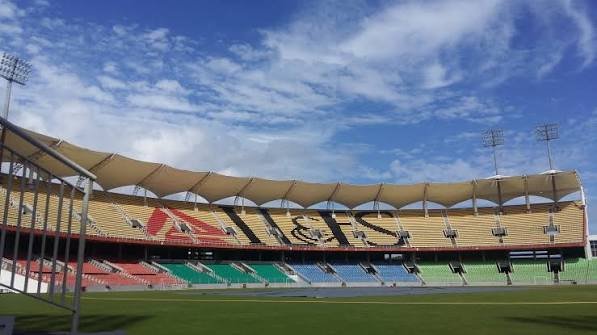
Not every cricket ground in India chases the international spotlight, and Vijayawada Railway Stadium is a good example of one that doesn’t need to. Tucked into the railway city of Vijayawada in Andhra Pradesh, this ground has spent decades quietly doing the unglamorous work of Indian cricket — running inter-railway tournaments, hosting age-group competitions, and giving young players their first taste of match pressure. It won’t show up on TV during IPL season, but for anyone tracking domestic cricket infrastructure or based in Vijayawada looking for a local sporting landmark, it’s worth knowing well.
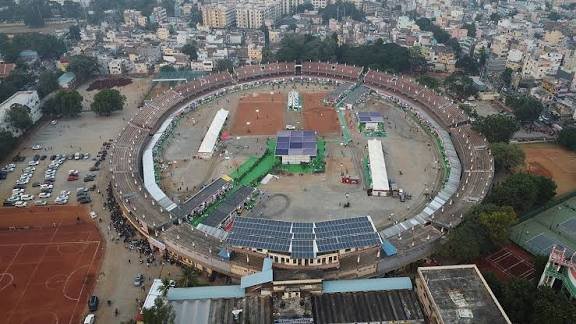
| Quick Facts | Details |
| Name | Railway Stadium, Vijayawada |
| Location | Vijayawada, Krishna District, Andhra Pradesh |
| Associated with | South Central Railway (SCR) Sports Association |
| Primary use | Domestic cricket, inter-railway tournaments, coaching camps |
| Level of matches hosted | Departmental, university, state-level, and developmental tournaments |
| Capacity | Not officially published; smaller regional-ground scale |
| Notable feature | Long-standing base for South Central Railway Sports Association activities |
Where Is the Stadium Located?
The ground sits within Vijayawada, a city that has functioned as a major railway hub in Andhra Pradesh for over a century thanks to Vijayawada Junction — one of the busiest railway stations in the country. That railway connection isn’t incidental to the stadium’s identity; it’s the whole reason the ground exists. It was developed and continues to be closely tied to the South Central Railway Sports Association, which has long used cricket and other sports to build talent among railway staff and the wider region.
Being located in a well-connected railway city has its practical upsides. Vijayawada Junction offers direct rail links across South India, and the city’s road network makes local travel to the stadium straightforward for players, coaches, and spectators attending departmental fixtures.
What Is the Stadium’s Capacity?
Here’s where honesty matters more than a tidy number. Unlike India’s marquee venues — Ekana, VCA Nagpur, or HPCA Dharamshala — Vijayawada Railway Stadium doesn’t have an officially published seating capacity figure in circulation. It functions at a much smaller, regional scale, built to serve departmental and domestic-level cricket rather than tens of thousands of spectators.
That’s not a shortcoming — it’s simply a different category of venue:
- It’s designed around functional match-hosting needs, not stadium tourism or massive crowd management.
- Attendance at fixtures here typically comes from local cricket followers, railway staff, and families of participating players rather than city-wide crowds.
- If you’re specifically researching seating numbers for planning or reference purposes, it’s worth checking directly with the South Central Railway Sports Association, since ground-level details for venues at this tier aren’t always documented publicly the way major international stadiums are.
Facilities at the Ground
Vijayawada Railway Stadium has steadily added to its infrastructure over the years, largely through the South Central Railway Sports Association’s ongoing investment in athlete development.
- A multi-gym facility was set up on the premises specifically for use by athletes training at the venue, giving players access to structured strength and conditioning work alongside their cricket practice.
- The ground supports coaching camps and selection trials, meaning it’s equipped for sustained training activity, not just match days.
- It has hosted inter-departmental tournaments, university-level competitions, and age-group cricket, which points to a ground capable of handling a reasonable volume of fixtures through the year.
- As a railway-linked facility, it benefits from the institutional backing Indian Railways has historically given to sports — Railways remains one of the country’s most consistent sporting patrons across multiple disciplines, not just cricket.
Why This Kind of Ground Matters
It’s easy to overlook venues like this when the conversation is dominated by 50,000-seat stadiums and IPL broadcasts, but grounds such as Vijayawada Railway Stadium are where a lot of the real groundwork happens. Domestic tournaments — Ranji Trophy, Vijay Hazare Trophy, Syed Mushtaq Ali Trophy — all draw from a pipeline of players who cut their teeth at exactly this kind of venue. Selection trials, coaching camps, and inter-railway matches held here give emerging cricketers competitive match time before they’re ready for bigger stages.
The Railways cricket team itself has a genuine track record in the Ranji Trophy, having won the title multiple times since 2000. Grounds like this one, spread across railway divisions in cities such as Vijayawada, Visakhapatnam, and Bhubaneswar, form the backbone that supports that success — even when they rarely get individual recognition for it.
Cricket in Vijayawada Beyond the Railway Ground
It’s worth noting that Vijayawada also has other cricketing landmarks, most notably the Indira Gandhi (Municipal) Stadium, which has hosted an international ODI in the past. The Railway Stadium operates alongside these venues as part of the city’s broader cricket ecosystem — while the Indira Gandhi Stadium handles higher-profile fixtures, the Railway Stadium keeps the developmental and departmental side of the sport running steadily in the background.
FAQs
Q1. Is Vijayawada Railway Stadium open to the public for matches?
It primarily hosts departmental, university, and domestic-level tournaments rather than ticketed public events, so access generally depends on the specific competition being held there at the time.
Q2. Does Vijayawada Railway Stadium host Ranji Trophy matches?
The venue is closely tied to South Central Railway’s sporting activity, and while Railway-linked grounds in other cities have hosted Ranji Trophy fixtures, current information doesn’t confirm this specific ground as a regular Ranji Trophy venue — it’s better known for departmental and developmental cricket.
Q3. How is this stadium different from Indira Gandhi Stadium in Vijayawada?
Indira Gandhi Stadium is the city’s higher-profile ground, having hosted an international ODI, while Railway Stadium functions more as a training and departmental venue tied to South Central Railway’s sports programs.
Q4. Who manages Vijayawada Railway Stadium?
It’s associated with the South Central Railway Sports Association, which oversees sporting infrastructure and athlete development for the railway zone, including facilities and training support at this ground.