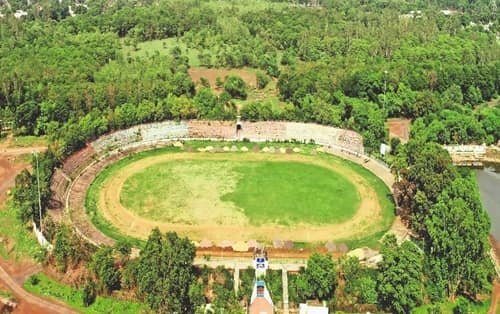
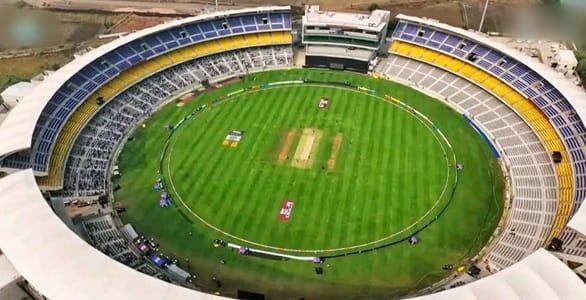
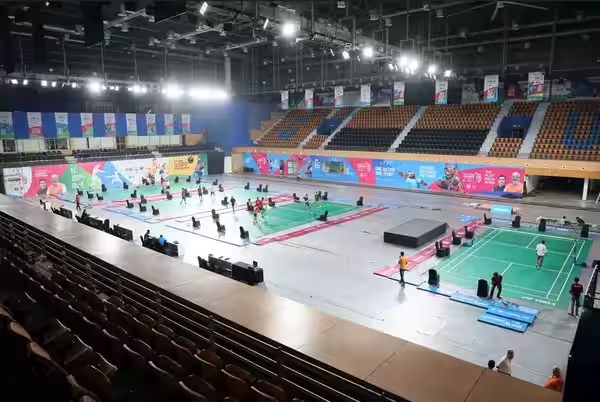
Not every stadium in Jaipur is built for cricket, and Chaugan Stadium is the clearest example of that. Sitting inside the walled city, close to the City Palace, this historic ground has spent generations hosting elephant polo, Teej festivities, and the famous Elephant Festival rather than international cricket fixtures. For anyone researching Jaipur’s cultural and sporting landmarks, here’s what makes this ground genuinely different from the state’s cricket stadiums.
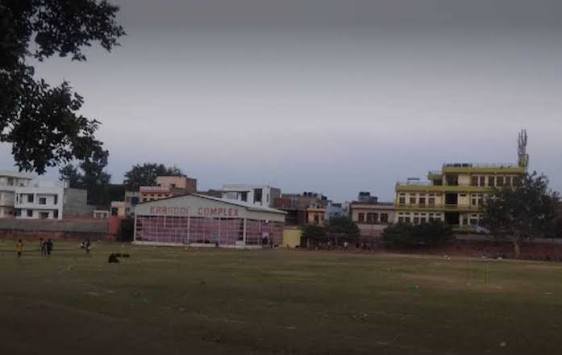
| Quick Facts | Details |
| Name | Chaugan Stadium |
| Location | Walled City, Jaipur, Rajasthan |
| Nearby landmarks | City Palace, Gangauri Bazaar, Govind Dev Ji Temple |
| Primary use | Elephant polo, cultural festivities |
| Major events hosted | Teej festivities, Jaipur Elephant Festival |
| Cricket status | Not a dedicated or active international cricket venue |
| Capacity | Not officially published |
Where Is Chaugan Stadium Located?
The stadium sits within Jaipur’s historic walled city, positioned between Gangauri Bazaar and the City Palace, and close to the Govind Dev Ji Temple. This is genuinely prime real estate by Jaipur’s standards — the ground is surrounded by some of the city’s most recognisable heritage landmarks, which shapes both its character and its role in local life.
Reaching it is straightforward given its central location:
- Within the city: Being inside the walled city puts it within easy reach of Jaipur’s main tourist and cultural circuit, including the City Palace and Hawa Mahal.
- By road: The area around Chaugan Stadium connects well to Jaipur’s inner-city roads, though navigating narrow walled-city lanes during major festivals can slow things down.
- Nearby transit: Jaipur’s broader public transport network, including local buses and app-based cabs, covers the walled city reasonably well for visitors heading to festival events here.
Why Doesn’t Chaugan Stadium Have a Published Cricket Capacity?
This is the most important thing to understand about this ground: despite carrying the “stadium” name and appearing in some cricket ground databases, Chaugan Stadium isn’t functioning as an active cricket venue in the way Sawai Mansingh Stadium or Barkatullah Khan Stadium are. It’s historically and culturally tied to elephant polo and festival use rather than competitive cricket.
- No officially published cricket seating capacity exists for this ground, unlike Rajasthan’s dedicated cricket stadiums.
- It’s listed on some cricket databases mainly for historical or reference purposes, not because it regularly hosts organised matches.
- If you’re looking for Jaipur’s actual cricket infrastructure, Sawai Mansingh Stadium (30,000 capacity, home to Rajasthan Royals) is the venue that fits that role.
What Actually Happens at Chaugan Stadium?
This ground’s real identity is cultural, not cricketing, and that’s worth understanding on its own terms.
- Elephant polo: The stadium has long served as a venue for elephant polo matches, a distinctly Rajasthani sporting tradition rarely seen elsewhere in India.
- Teej festivities: Chaugan Stadium plays host to Teej celebrations, one of Rajasthan’s most significant festivals, drawing large local crowds for processions and cultural events.
- Elephant Festival: The ground is closely associated with Jaipur’s Elephant Festival, a major cultural draw for both residents and tourists during the relevant season.
- Heritage setting: Its location within the walled city, surrounded by Rajput-era architecture, gives events held here a backdrop few modern stadiums can match.
How It Fits Into Jaipur’s Sporting Landscape
Jaipur’s real cricketing infrastructure sits elsewhere. Sawai Mansingh Stadium, built in 1969 and operated by the Rajasthan Cricket Association, is the city’s primary international venue, with a 30,000 capacity and a long history hosting Tests, ODIs, and IPL matches for Rajasthan Royals. Smaller grounds like KL Saini Ground in Mansarovar and Railway Cricket Ground add domestic-level capacity. Chaugan Stadium occupies a completely different lane — it’s a cultural and heritage venue that happens to carry the “stadium” label, rather than a competing cricket facility.
Why This Distinction Matters for Visitors
If you’re planning a trip specifically to watch cricket in Jaipur, Chaugan Stadium isn’t the venue you’re looking for — Sawai Mansingh Stadium is. But if your interest is in Jaipur’s cultural calendar, particularly Teej or the Elephant Festival, Chaugan Stadium is genuinely worth knowing about. It represents a different, older layer of what “stadium” means in a city like Jaipur: a space built for royal-era sport and festivity long before modern cricket infrastructure arrived in Rajasthan.
FAQs
Q1. Does Chaugan Stadium host cricket matches?
No, it isn’t an active cricket venue. It’s primarily used for elephant polo and cultural festivities like Teej, unlike Jaipur’s dedicated cricket ground, Sawai Mansingh Stadium.
Q2. What is Chaugan Stadium mainly known for?
It’s known for hosting elephant polo matches, Teej festivities, and Jaipur’s Elephant Festival, making it a cultural landmark rather than a sporting arena in the modern sense.
Q3. Where exactly is Chaugan Stadium located in Jaipur?
It sits within the walled city, between Gangauri Bazaar and the City Palace, close to the Govind Dev Ji Temple, in one of Jaipur’s most heritage-rich areas.