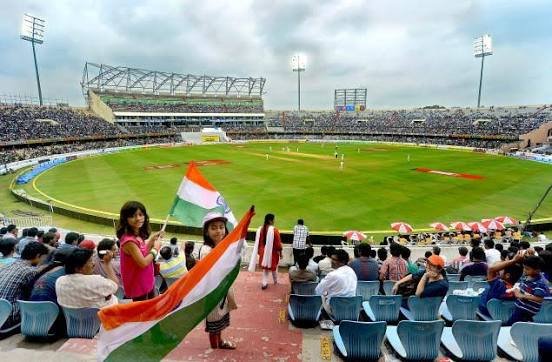
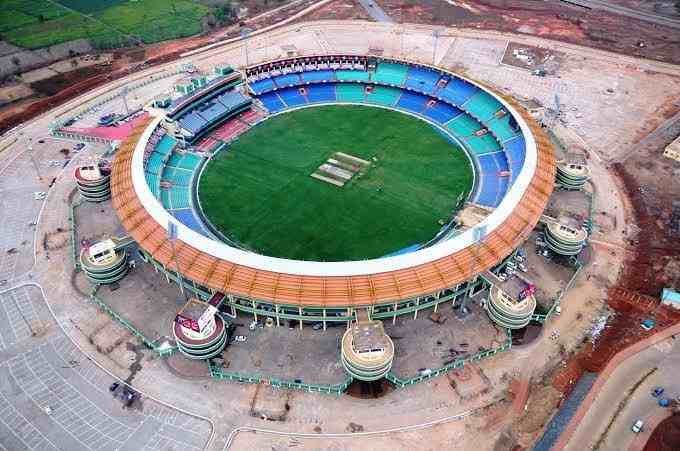
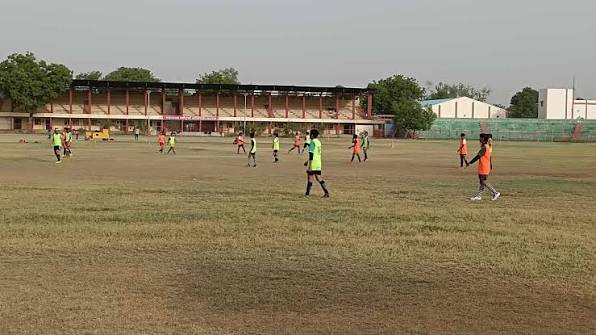
LB Stadium Hyderabad sits on ground with a genuinely dramatic backstory — Mughal soldiers camped here during the eight-month siege of Golconda in 1687, and after their victory, named the open expanse Fateh Maidan, meaning “Victory Square.” That name stuck for centuries, through the Asaf Jahi era when it served as royal polo grounds, until it was renamed Lal Bahadur Shastri Stadium in 1967, honouring India’s second Prime Minister.
Quick Facts
| Detail | Information |
| Full name | Lal Bahadur Shastri Stadium |
| Former name | Fateh Maidan |
| Location | Basheerbagh, Hyderabad, Telangana |
| Established | 1950 |
| Renamed | 1967, after Lal Bahadur Shastri |
| Total area | 17.70 acres |
| Owner/Operator | Sports Authority of Telangana State |
| Seating capacity | 25,000-30,000 (sources vary) |
| Ends | Pavilion End, Hill Fort End |
| Home team | Fateh Hyderabad FC |
| First Test | November 1955, India vs New Zealand |
Locating the Stadium in Basheerbagh
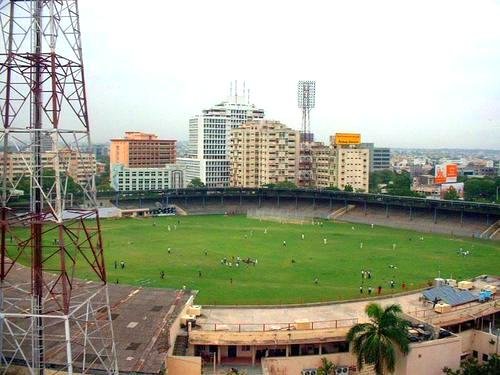
The stadium occupies genuinely historic ground behind the police control room, situated between Nizam College and Public Gardens in the Basheerbagh area of Hyderabad. That layered history — from a Mughal military campground to a Nizam-era polo field to a modern sporting venue — gives LB Stadium a cultural depth few Indian grounds of comparable size can match.
Reaching the venue works well given its central Hyderabad position:
- The stadium’s location near Public Gardens and Nizam College places it within easy reach of Hyderabad’s historic and administrative core.
- Local autos, cabs, and buses regularly serve the Basheerbagh area, keeping the venue accessible without requiring specialised transport.
- Its proximity to established city landmarks makes combining a stadium visit with broader Hyderabad sightseeing genuinely convenient.
Sorting Out the Capacity Figures
Reported capacity for LB Stadium ranges between 25,000 and 30,000 depending on the source, with Wikipedia’s official listing and most tourism references settling on 30,000 as the standard figure. A few sources cite the slightly lower 25,000, likely reflecting different configuration standards over the stadium’s long history.
A few things worth understanding about its scale and standing:
- The stadium spans 17.70 acres in total, giving it genuine physical scope beyond just the main playing arena and seating bowl.
- Despite its multi-century historical roots, the current stadium structure dates to 1950, with the Lal Bahadur Shastri renaming following in 1967.
- As of recent counts, the ground has hosted three cricket Tests and 14 ODIs, a modest but genuine international résumé for a venue now primarily used for domestic and football fixtures.
What the Ground Offers Today
LB Stadium has built out genuinely comprehensive infrastructure over decades of continuous use, supporting a wide range of sporting and civic activities beyond its original cricket and football focus.
- Floodlights enabling day-night match scheduling across multiple sports
- A swimming pool integrated within the broader stadium complex
- A shopping complex and indoor stadium facilities, extending the venue’s function beyond pure sport
- Tennis courts alongside the main cricket and football playing areas
- Air-conditioned changing rooms, first aid facilities, and dedicated coaching or lifeguard support
- Hostel or dormitory accommodation for athletes training at the venue
- Wheelchair accessibility, including designated seating and physically-abled-friendly infrastructure
- Facilities supporting badminton, boxing, and lawn tennis alongside the stadium’s primary sports
From Mughal Battleground to Modern Sports Venue
What genuinely sets LB Stadium apart from most Indian sporting grounds is the sheer span of its history. The site’s Fateh Maidan name dates back to 1687, when Mughal forces camped here during their siege of Golconda Fort — one of the most significant military campaigns in Deccan history. Following their victory, the ground earned its “Victory Square” name, and during the subsequent Asaf Jahi period, it transitioned into royal polo grounds, reflecting the site’s continued importance to Hyderabad’s ruling elite across changing dynasties. That the same ground now hosts modern cricket, football, and multi-sport training makes LB Stadium a genuinely rare thread connecting Hyderabad’s Mughal-era history to its contemporary sporting culture.
Cricket and Football’s Modern Home
Since its 1950 construction and 1967 renaming, LB Stadium has served as Hyderabad cricket team’s primary domestic venue, hosting home fixtures across multiple formats. It briefly gained additional prominence during the Indian Cricket League era, when it functioned as a home ground for that short-lived breakaway competition. On the football side, the stadium currently serves as home ground for Fateh Hyderabad FC, giving the city’s football community a historic, centrally located venue for their fixtures.
A Facility Built for More Than One Sport
LB Stadium’s genuine strength lies in its breadth. Beyond cricket and football, the complex supports badminton, boxing, swimming, and lawn tennis, making it one of Hyderabad’s more comprehensive multi-sport public facilities. That versatility, paired with amenities like hostel accommodation and dedicated training areas, positions the venue as a genuine development hub for athletes across disciplines, not simply a stadium built around a single sport’s spectator demands.
FAQs
Q1. Why is LB Stadium also known as Fateh Maidan?
Fateh Maidan was its original name, given after Mughal forces camped there during the 1687 siege of Golconda and named it “Victory Square” following their win.
Q2. Which sports team currently plays home matches at LB Stadium?
Fateh Hyderabad FC uses the venue as their home ground for football, while Hyderabad’s domestic cricket team has historically played home fixtures here as well.
Q3. Why does LB Stadium’s capacity figure vary between 25,000 and 30,000?
Different sources cite slightly different figures, likely reflecting configuration changes over the stadium’s long history, with 30,000 being the more commonly referenced number.
Q4. What non-sporting facilities are available within the LB Stadium complex?
The complex includes a shopping arcade, swimming pool, and indoor stadium facilities, extending its use well beyond cricket and football matches alone.